Cave Photography for Beginners: Capturing the Underground Without Wrecking It
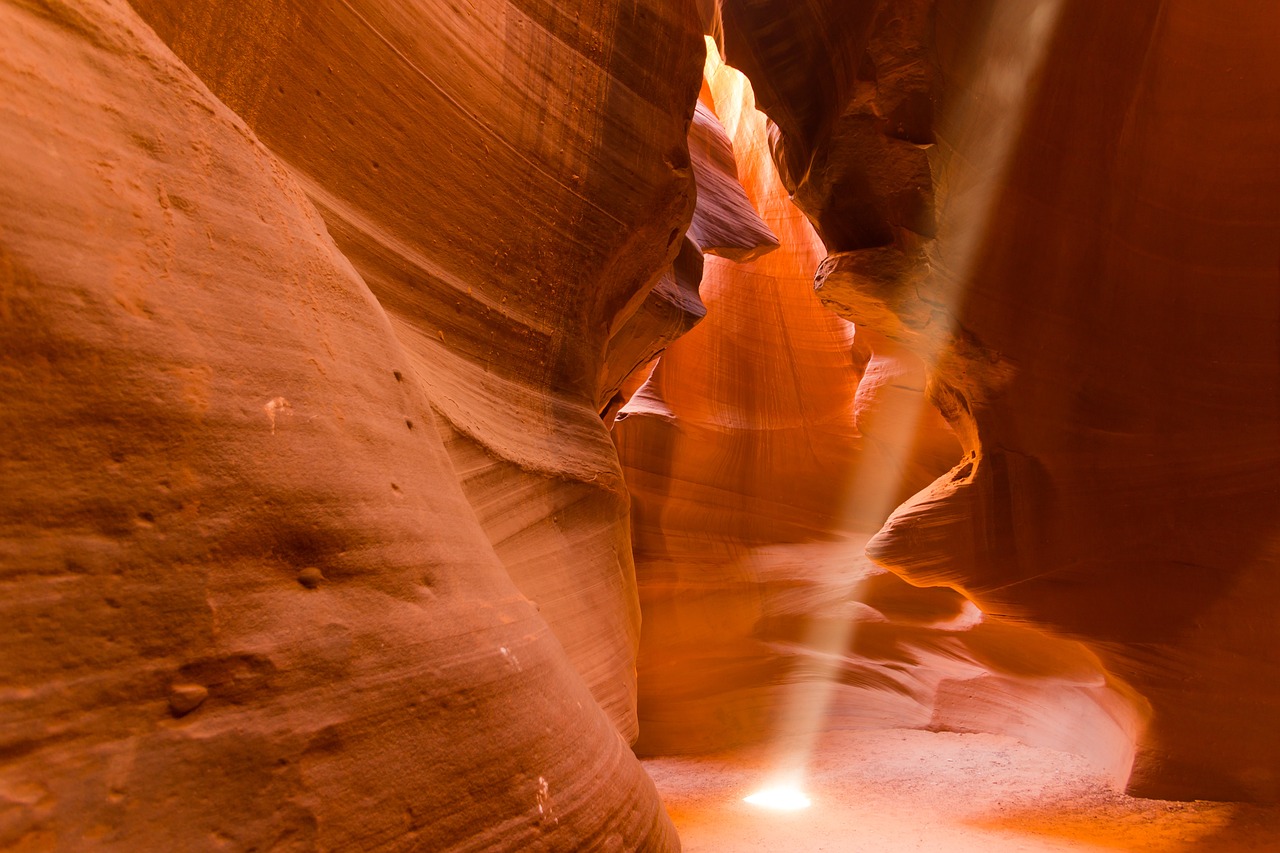
Caves are among the most photogenic places on earth and among the hardest to photograph well. The darkness that makes them mysterious also makes them technically demanding, and the formations that look breathtaking in person often turn into flat, muddy images on a camera screen. The good news is that you do not need professional gear to bring home striking cave photos. You need patience, a basic understanding of light, and a healthy respect for the environment you are shooting in.
Start with the realization that your camera is not really capturing a cave. It is capturing light bouncing off a cave. Everything depends on how you place that light. A single flash fired straight at a formation produces a harsh, flat result. Two lights, one on either side or one slightly above, create depth and reveal texture. Even a headlamp used as a fill light can transform a shot when positioned thoughtfully.
Light Painting and Long Exposures
One of the most accessible techniques underground is light painting. Set your camera on a tripod, open the shutter for several seconds, and walk a flashlight beam slowly across the subject. The result is a soft, even illumination that no single flash can match. It takes practice, and your first attempts will likely be uneven, but the learning curve is short and the payoff is dramatic.
Long exposures come with their own considerations. Cave air is often damp, and moisture on your lens will show up as haze in a long shot. Keep a microfiber cloth handy and check your lens before every exposure. Tripods are essential, and a remote shutter release or a camera timer prevents the vibration that comes from pressing the button by hand. If your camera has a mirror lock-up feature, use it.
Composition underground follows the same rules as composition anywhere, with a few twists. Look for leading lines, a passage that narrows into the distance, a stream that disappears into rock. Include a person for scale when you can, because without a human reference, cave formations lose their sense of size. A figure in a yellow helmet standing beside a column tells the viewer far more than the column alone.
Ethics Before Aesthetics
The most important rule of cave photography is simple: leave the cave exactly as you found it. Do not touch formations, do not move rocks for a better angle, and do not walk through areas that are marked as sensitive. Cave formations grow at a glacial pace, and a careless hand or boot can destroy in seconds what took thousands of years to build. Tripods should be placed on durable surfaces, and flashes should be used sparingly, since repeated bright light can disturb bats and other cave life.
If you are shooting in a cave that requires permits or guided access, follow the rules without negotiation. Photographers have been banned from caves for good reason, and every careless shot makes access harder for everyone else. Shoot with restraint, edit with honesty, and let your images inspire people to protect these places rather than exploit them.