Headlamp, Helmet, and Backup: Building a Cave Lighting Kit That Won't Fail
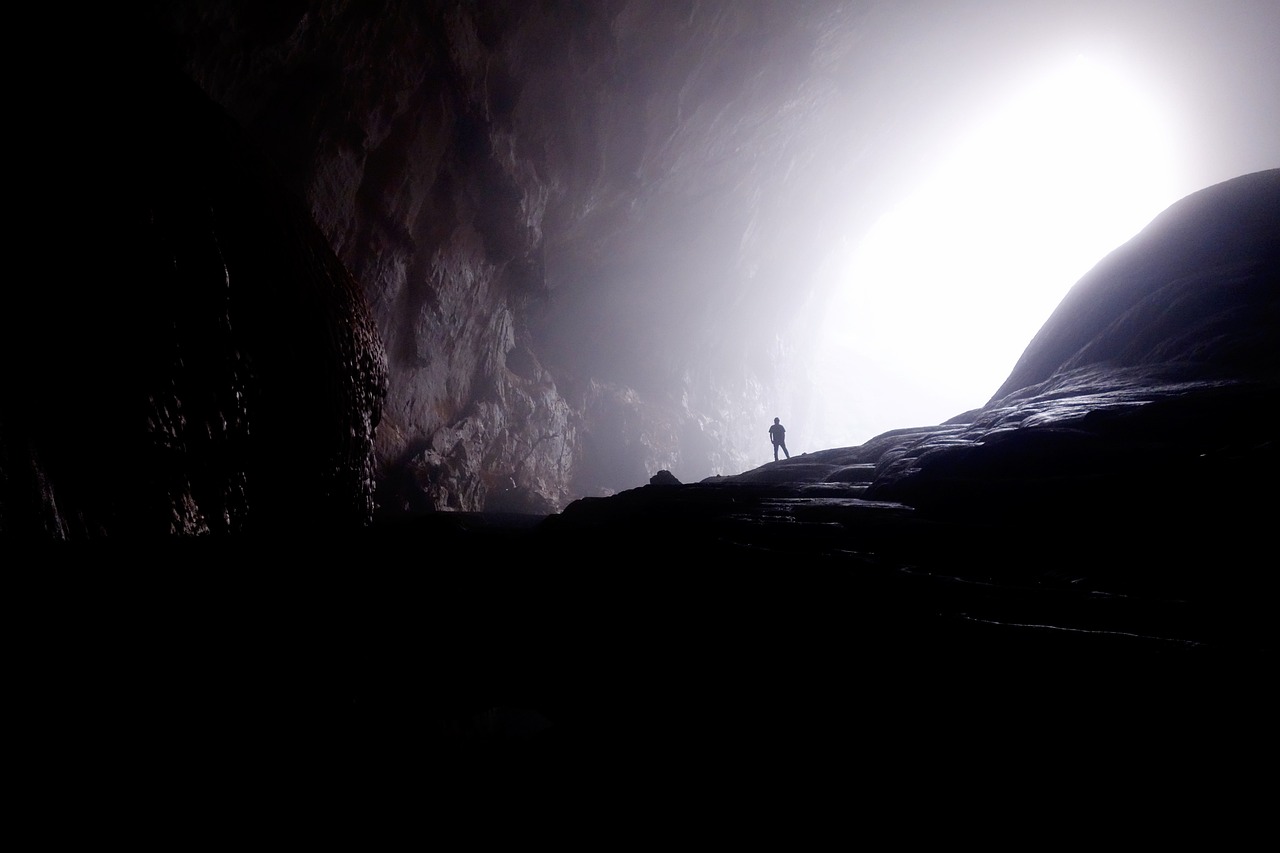
In a cave, light is not a convenience. It is your navigation system, your safety line, and your connection to the world above. The moment your only light source dies, everything changes, and experienced cavers treat that possibility with genuine seriousness. Building a lighting kit is one of the first skills any new caver should master, and it is far simpler than it sounds.
The foundation is a helmet-mounted headlamp, hands-free light is non-negotiable when you are scrambling, crawling, or holding onto a rope. Look for a lamp with a reliable brand reputation, a waterproof rating, and a beam that offers both a wide flood for general movement and a focused spot for route-finding. A single powerful beam sounds appealing, but in practice you want the ability to see your immediate surroundings, not just a bright circle far ahead.
The Three-Light Rule and Why It Matters
Most caving communities operate on a simple principle: carry three independent light sources. Your primary headlamp is one. A second headlamp or handheld flashlight in your pack is two. A small backup light, often a compact torch or keychain light, is three. The point is redundancy. Lights fail for boring reasons: a corroded contact, a cracked lens, a battery that drained faster than expected in cold conditions. Having a second and third option means a single failure is an inconvenience, not an emergency.
Batteries deserve their own attention. Cold cave air saps battery life, so keep spares in an inside pocket where your body heat can keep them warm. If your lamp uses rechargeable cells, consider carrying a set of standard batteries as well, since a dead power bank halfway through a trip helps no one. Know how to change your batteries in the dark by feel. Practice at home with the lights off. Fumbling with a battery compartment while your group waits is a stress you can easily avoid.
Maintenance is the unglamorous half of a good lighting kit. After every trip, wipe down your lamps, check the O-rings and seals, and inspect the cable or strap for wear. Store batteries outside the lamp if you will not be caving for a while, and replace corroded contacts before they become a problem. A light that worked perfectly last month can sit unused and quietly degrade.
Light Discipline Underground
Good lighting habits go beyond hardware. When you stop to rest, turn your lamp down or off if the group is stationary, both to save battery and to preserve your night vision. When you photograph a formation, use a separate flash rather than blinding everyone with your headlamp. And when someone is rigging a rope or reading a map, angle your light toward the task instead of directly into their eyes. Small courtesies like these keep a group moving smoothly and comfortably.
Treat your lighting kit like the essential piece of safety equipment it is. Test it before every trip, carry backups without exception, and never assume the cave will be forgiving. It will not be, but a well-built kit means you will not need it to be.