Squeeze, Crawl, Breathe: Managing Claustrophobia in Tight Cave Passages
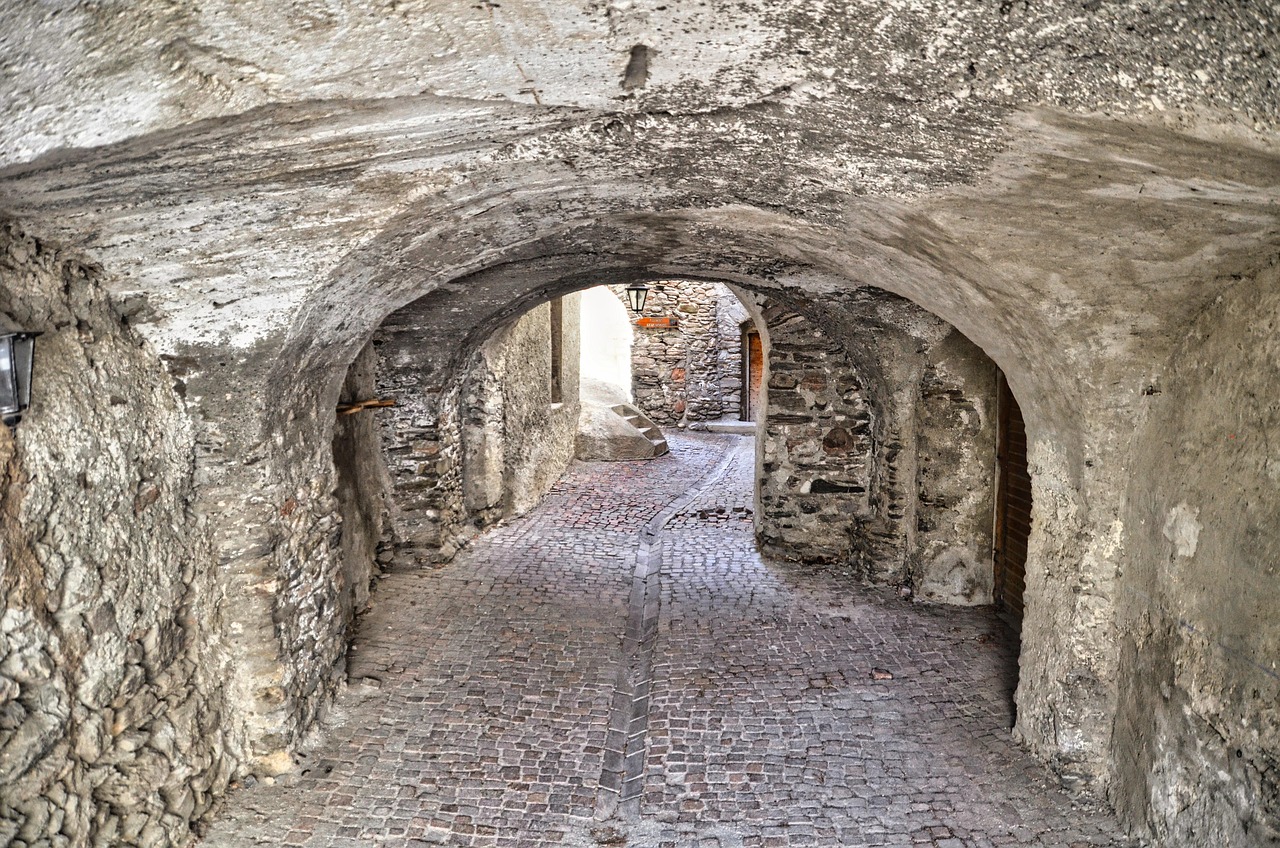
Nobody descends into a cave expecting to feel perfectly comfortable the entire time. Caves are dark, quiet, and enclosed, and for many people that combination triggers a flutter of anxiety that ranges from mild unease to full-blown panic. The good news is that claustrophobia underground is not a character flaw or a sign you should stay on the surface. It is a predictable response to an unfamiliar environment, and like most predictable things, it can be managed with preparation and practice.
The first step is honest self-assessment before you ever leave the trailhead. If the thought of crawling through a space barely wider than your shoulders makes your chest tighten, start with walking-size caves and large chambers. There is no shame in building up gradually. Cavers who have logged hundreds of trips still remember their first tight squeeze, and most of them will tell you the same thing: comfort underground is earned through repetition, not bravado.
Techniques That Actually Work in the Squeeze
When you are mid-crawl and the walls are brushing both shoulders, your breathing is the most powerful tool you have. Short, shallow breaths feed the panic loop. Slow, deliberate exhales signal to your nervous system that you are not actually in danger. Try counting your exhales, or silently naming objects you can feel with your hands, rock, grit, cool air. Giving your mind a small, concrete task interrupts the spiral.
Physical positioning matters too. Before entering a tight passage, take off your pack if you can and push it ahead of you rather than dragging it. Bulk is what makes squeezes feel tighter than they are. Move slowly and deliberately, and resist the urge to rush. Panic and speed go hand in hand, and a hurried scramble through a tight spot is how scrapes and stuck moments happen. If you do freeze, stop. Backing up slightly is often easier than pushing forward, and it gives you room to reset.
Your breathing rhythm is not the only thing worth practicing. Visualization before a trip helps more than people expect. Spend a few minutes imagining the passage, the cool rock against your palms, the sound of your own breath, and picture yourself moving through it calmly. This kind of mental rehearsal is used by athletes and performers, and it works underground too.
When to Turn Around
Knowing your limits is a skill, not a weakness. If you have tried breathing techniques, taken a break, and still feel the walls closing in, it is perfectly reasonable to back out and let your group continue or to call the trip early. Caves will still be there next season. The cavers who last decades underground are not the ones who never feel fear. They are the ones who respect it, prepare for it, and know the difference between discomfort and genuine danger.
Bring a patient partner, keep your first tight trips short, and celebrate small wins. Each passage you navigate calmly makes the next one easier, and eventually the squeeze stops feeling like a trap and starts feeling like a doorway.