The First-Timer's Guide to Caving: What Nobody Tells You Before You Go Underground
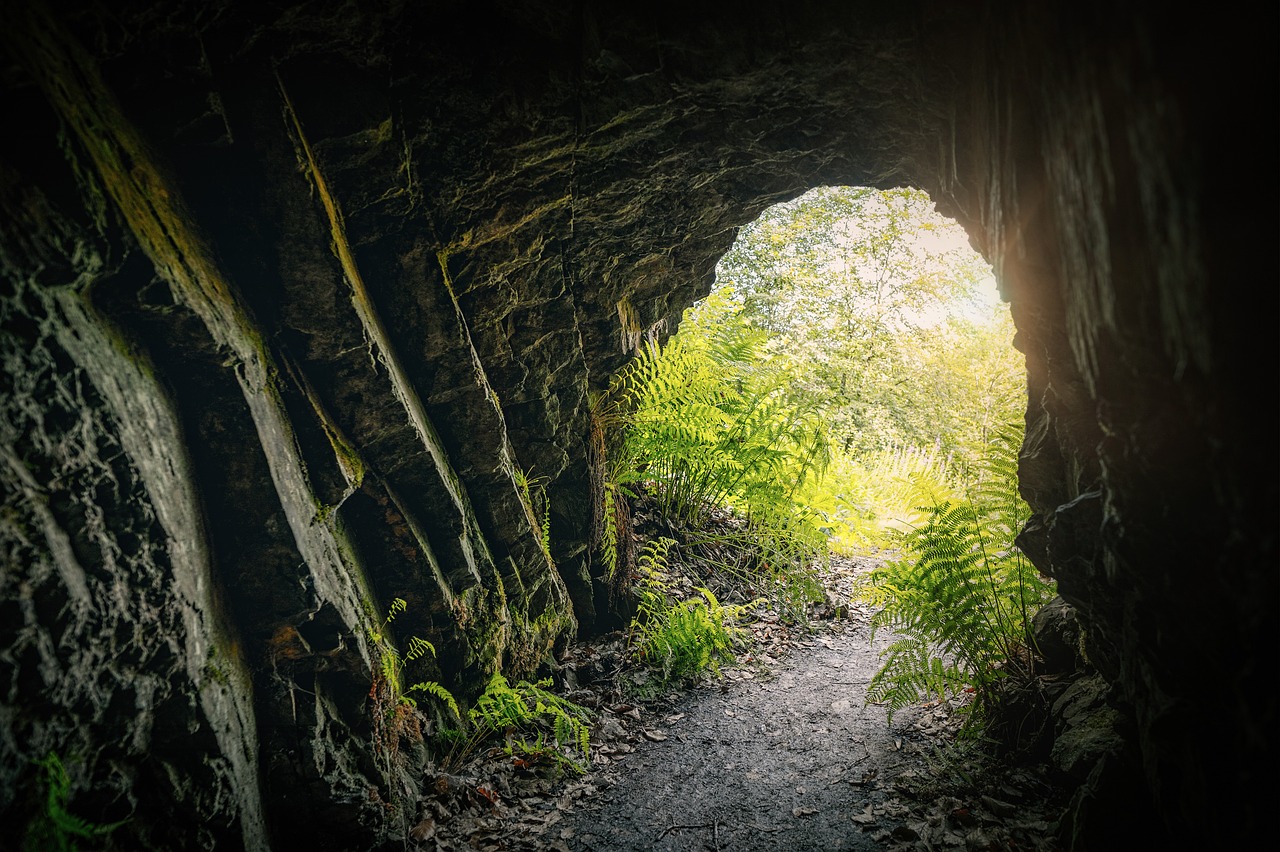
There is a moment on every first caving trip when you turn around and realize you can no longer see the entrance. The light is gone. The air smells like wet stone. Your headlamp beam becomes the entire world. For some people, that moment is terrifying. For others, it is the beginning of a lifelong obsession. Either reaction is normal, and neither one means you are doing it wrong.
Most people picture caving as crawling through impossibly tight passages, and while that can be part of it, beginner trips are usually more about walking, scrambling, and ducking than squeezing. What actually surprises first-timers is the cold, the dampness, and how quickly a three-hour trip can feel like ten. Caves sit at a steady temperature year-round, often in the fifties Fahrenheit, and the humidity hovers near saturation. You will be wet, either from sweat or from water, and your body will lose heat faster than you expect.
Gear That Actually Matters
A helmet is non-negotiable. Not a bike helmet with vents, but a proper climbing or caving helmet with a mounted light. Your hands should stay free for scrambling, so a handheld flashlight is a backup, not a primary. Bring three sources of light total, because the one thing experienced cavers never joke about is a dead battery two hundred feet underground.
Footwear should have grip and ankle support. Old hiking boots work fine. Cotton is your enemy, since it holds water and chills you, so wear synthetic or wool layers. Gloves protect your hands from rough rock and keep them warmer than you would think. Knee pads are optional for easy caves but quickly become essential in anything with crawling. And pack a small trash bag, because whatever you carry in, you carry out, including anything that comes out of your body. Leave-no-trace ethics matter even more underground, where nothing decomposes and a dropped wrapper stays for decades.
The Mindset That Keeps You Safe
The biggest risk in beginner caving is not falling or getting lost. It is overconfidence. Caves reward humility. Go with someone experienced, tell a reliable person exactly where you are going and when you will be back, and never split up. If a passage makes you uncomfortable, say so. Turning around is always an option and never a failure.
Move slowly and deliberately. Test every handhold and foothold before trusting it, because wet limestone is slick and some rock is loose. Watch where you put your feet, not just for tripping but to avoid stepping on cave life. Bats, salamanders, and delicate formations deserve distance and respect. White-nose syndrome has devastated bat populations, so follow any decontamination guidance for your gear between caves.
Finally, embrace the dark. Turn off your light for a minute, with everyone's agreement, and just stand there. The silence and absolute blackness are unlike anything on the surface. That experience, more than any photo, is what brings people back underground again and again.