Leave No Trace Underground: The Ethics of Exploring Fragile Caves
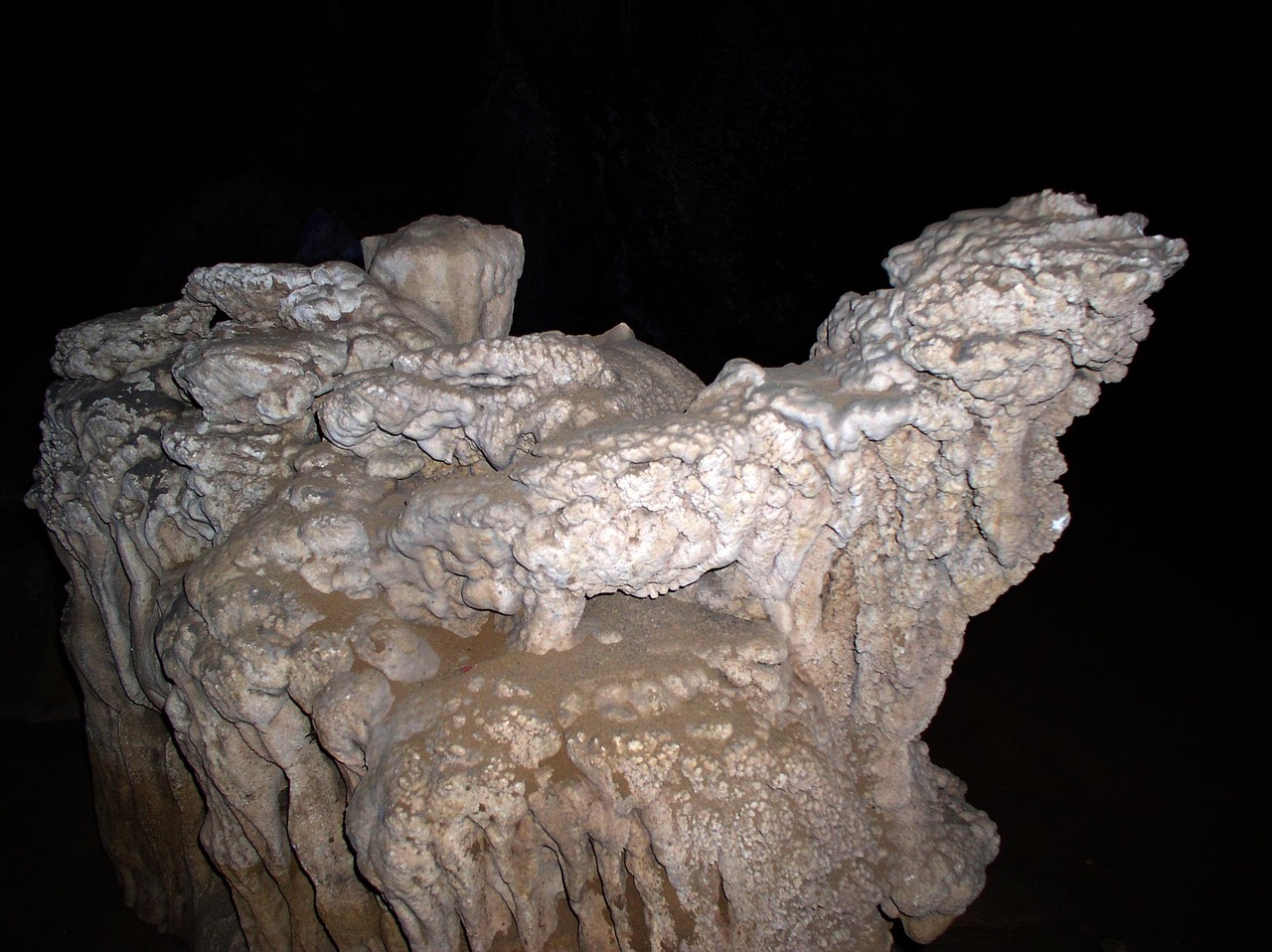
A cave is not a trail. On the surface, a misplaced boot print fades with the next rain. Underground, it can last for centuries. Caves are among the most fragile environments on the planet, and the ethics that govern how we explore them are stricter than almost anywhere else for a simple reason: damage there is effectively permanent.
Consider a stalactite. It grows from a single drop of mineral-rich water at a time, often taking hundreds or thousands of years to form. The oils from one human hand can stop its growth entirely, because the film left behind changes how water deposits calcite. That is why cavers follow a simple rule: do not touch formations, ever, even when you are sure it will not matter. It always matters.
The Rules That Protect Caves
Leave no trace underground goes beyond packing out trash. Human waste must be carried out in most caves, since there is no soil to bury it and no sunlight or bacteria to break it down. Food crumbs attract animals and introduce nutrients that disrupt the cave ecosystem. Even urine can alter the chemistry of a cave over time, which is why some caves require it to be collected as well.
Stay on established routes where they exist. Walking off-trail compacts sediment, crushes cave life, and leaves boot marks that persist for decades. Do not build cairns or stack rocks, and do not rearrange anything. The cave should look exactly the same when you leave as when you arrived.
Perhaps the most important rule is the one about clothing and gear. Bats are extraordinarily vulnerable to white-nose syndrome, a fungal disease that has killed millions of them across North America. Spores can hitchhike on boots, ropes, and helmets from one cave to another. Follow all decontamination protocols, which often involve specific cleaning and drying procedures between sites. Skipping this step can spread a disease that wipes out entire hibernation colonies.
Respecting the Human Story Too
Caves hold more than formations. They preserve prehistoric artwork, ancient artifacts, and evidence of past human use that can be tens of thousands of years old. Touching or removing anything, even a broken piece of pottery or a bone fragment, destroys context that researchers can never recover. Take photographs, take memories, and leave everything else where it lies.
Conservation also means knowing when to stay out. Some caves close seasonally to protect hibernating bats. Others require permits, gates, or guided access. These restrictions exist because a cave without them gets loved to death, and recovery can take longer than a human lifetime.
The ethic is simple to state and harder to live by: enter with humility, move with care, and leave the cave better than you found it, which usually means leaving it exactly as it was. The next person to stand in that passage, whether tomorrow or in five hundred years, deserves the same untouched wonder you experienced.