Surface Adventures for Cave Lovers: Karst Landscapes, Sinkholes, and Springs
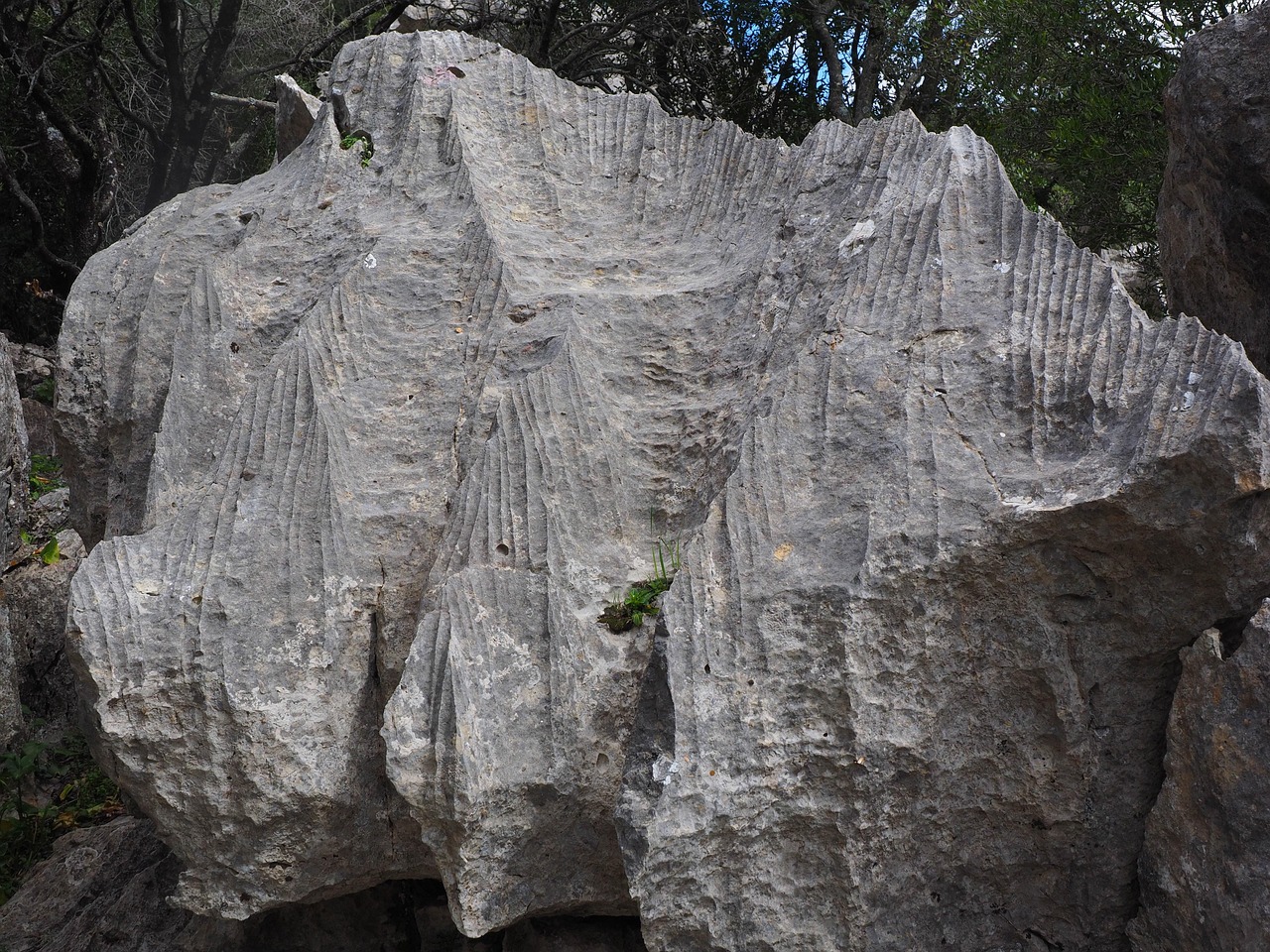
Caves do not exist in isolation. They are part of a larger system called karst, a landscape formed when water dissolves soluble rock like limestone, dolomite, or gypsum over enormous spans of time. The same process that hollows out underground passages also sculpts the surface, creating sinkholes, disappearing streams, natural springs, and ridges that look like the spine of some sleeping animal. For anyone who loves caves, learning to read a karst landscape above ground adds a whole new dimension to the adventure.
Karst shows up in obvious and subtle ways. The most dramatic features are sinkholes, depressions where the roof of an underground void has collapsed or where surface material has slowly settled into a solution cavity. Some are gentle bowls in a field, and some are sheer-walled pits that drop straight into darkness. Other clues are more understated: streams that vanish into a hillside, dry valleys with no water running through them, and springs that pour clear, cold water out of solid rock with no obvious source.
Exploring Karst on Foot
Hiking in karst terrain is different from hiking almost anywhere else. The ground can be surprisingly complex, with hidden holes, cracked bedrock, and thin soil covering voids below. Watch your footing, especially in areas where vegetation hides the surface. A sinkhole rim can look like solid ground until you are standing on a thin crust.
Navigation requires attention too. Karst topography is lumpy and irregular, and the terrain rarely forms the clean ridgelines and drainages that make map reading easy in other landscapes. A compass and a good topo map matter, and so does noticing where water goes. Following a stream until it disappears underground is one of the most satisfying ways to spend an afternoon, and it often leads you to a cave entrance.
Springs are worth seeking out on their own. They mark where groundwater resurfaces after traveling through the cave system, sometimes from miles away. Standing at a spring, you are looking at water that was underground perhaps days or years ago, filtered through stone. Some springs feed swimming holes, others create creeks that appear from nowhere. Treat them with respect, since spring water is not automatically safe to drink and the areas around them are often ecologically sensitive.
Why It Matters
Understanding karst above ground makes you a better caver below it. When you see how water enters the system through sinking streams and sinkholes, you understand why pollution on the surface can contaminate a cave miles away, and why cave conservation is really watershed conservation. Karst aquifers supply drinking water to a large share of the world's population, and they are especially vulnerable because water moves through them quickly with little natural filtration.
So the next time you plan a trip, consider spending a day on the surface first. Walk the ridges, find the sinking streams, follow a spring back toward its source. The land above the cave and the world below it are two halves of the same story, and reading both makes the whole thing richer.