Caving With Kids: How to Introduce Children to the Underground Safely
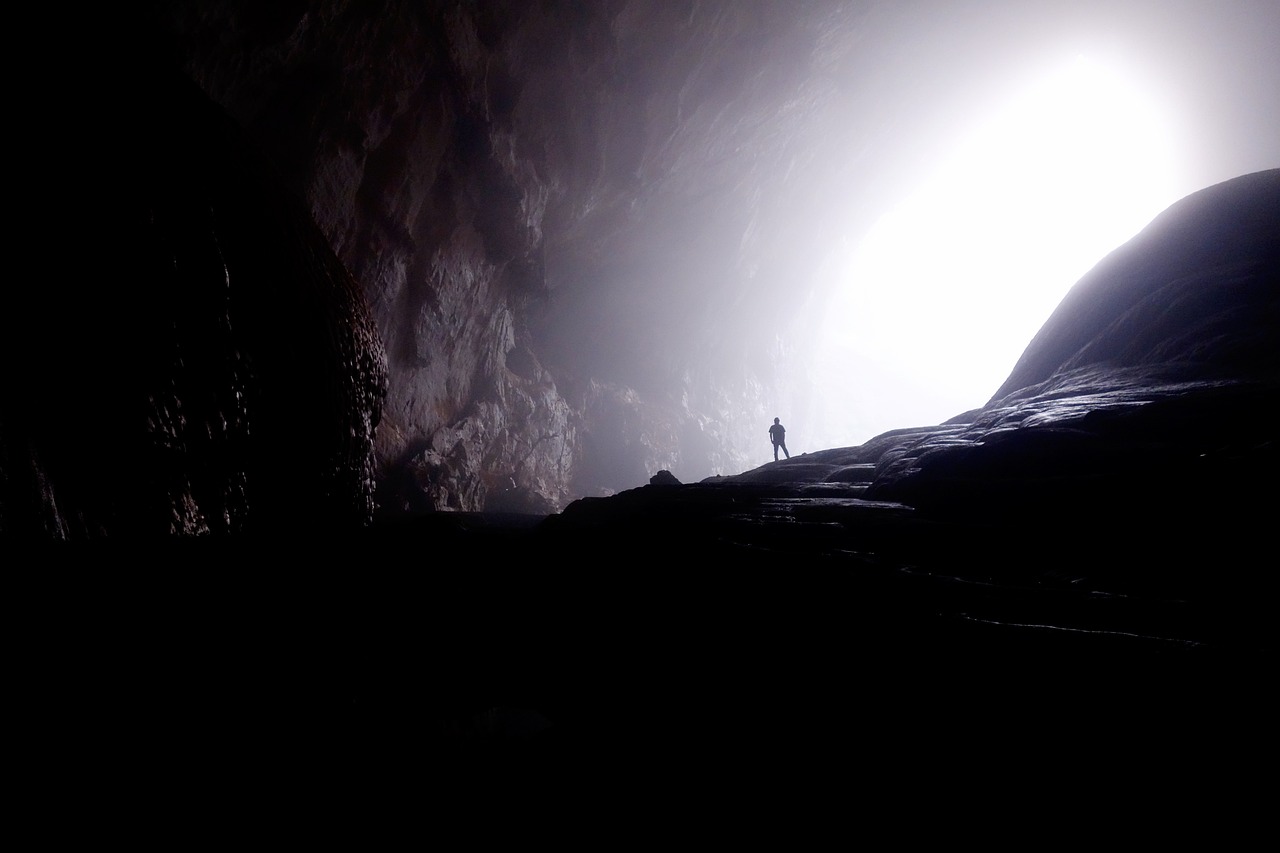
Some of the most memorable outdoor experiences a child can have happen underground. Caves reward curiosity, they feel like secret worlds, and they offer a kind of adventure that no screen can replicate. But caving with kids is not simply adult caving with smaller people. Children have different physical limits, shorter attention spans, and a genuine need for predictability. Done well, a family cave trip can spark a lifelong love of exploration. Done carelessly, it can scare a child away from the outdoors for years.
The right age to start depends on the child, but most cavers agree that guided, commercial cave tours are the best first step. These are safe, well-lit, and structured, and they let a child experience the underground without any technical skills. If your child loves the tour and asks to go deeper, that is your signal to look for a beginner-friendly wild cave with easy walking passages and no tight squeezes.
Choosing the Right First Cave
For a first wild cave trip, look for a cave with a large entrance, walking-height passages, and a short overall route. Avoid anything with vertical drops, water crossings, or sections that require crawling on hands and knees. Your goal is not to challenge your child. It is to give them a taste of the underground that leaves them wanting more.
Gear matters more with kids than with adults, because children lose heat faster and are less likely to speak up when they are uncomfortable. Dress them in layers, including a warm base layer and a durable outer layer that can handle mud and scrapes. A properly fitted helmet and a reliable headlamp are mandatory, and each child should carry a small backup light in a pocket. Gloves protect small hands from sharp rock, and sturdy boots with good grip prevent slips on wet surfaces.
Set expectations before you go. Tell your child what the cave will feel like: dark, cool, quiet, sometimes muddy. Explain that they will need to stay with the group and follow instructions. Let them know it is okay to say they are tired or scared, and that turning around is always an option. A child who feels they have permission to speak up is a child who stays safe.
Keeping the Trip Fun and Short
Plan for a trip that is shorter than you think it needs to be. An hour underground is a long time for a young child, and the walk back to the car matters too. Bring snacks and water, and take breaks. Point out interesting features along the way, a sparkling formation, a tiny bat, a patch of cave life. Turn the trip into a scavenger hunt of things to notice rather than a march toward a destination.
Teach cave ethics from the very first trip. Kids understand the idea that some places are special and need protection. Show them how to walk carefully, how to avoid touching formations, and why we pack out everything we bring in. These lessons stick, and they shape how a child treats the outdoors for the rest of their life.
Above all, let the child set the pace. The goal is not to create a young expert caver. It is to create a young person who feels at home in the natural world, including the parts of it that lie beneath our feet.